How to Choose the Best Diet for Diabetes and Weight Loss
Choosing the best diet for diabetes and weight loss can profoundly impact blood sugar levels, weight control, and general health. However, choosing the best option might be difficult given the abundance of diets and guidance available. This guide streamlines the process and assists you in determining the most appropriate diet for your requirements.
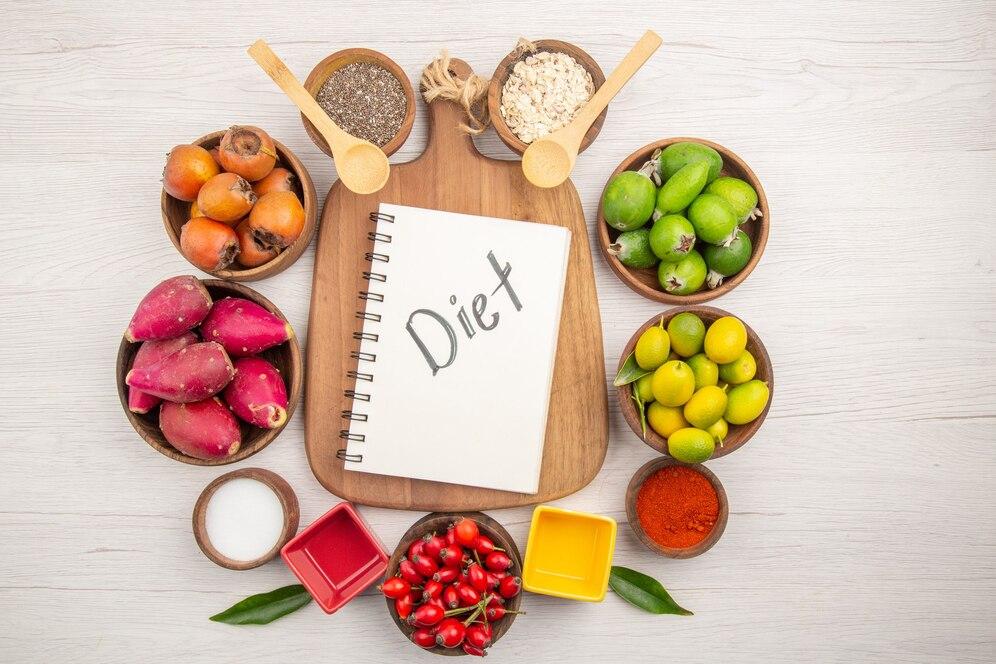
Steps to Choose the Best Diet for Diabetes and Weight Loss
1. Speak with a Medical Expert
- Why: Depending on your choices, lifestyle, and health status, a nutritionist or endocrinologist can offer tailored guidance.
- What to Expect: They may suggest testing to determine your body's insulin sensitivity, metabolism, and nutritional requirements.
2. Pay Attention to Whole Foods
- Include: Lean meats, whole grains, nuts, seeds, and fresh fruits and vegetables.
- Avoid: Avoid processed meals that are heavy in harmful fats, sugar, and salt, as these can raise blood sugar levels and provide extra calories.
- Example Meal: A healthy, diabetes-friendly meal is a quinoa salad with grilled chicken and roasted veggies.
3. Select a Macronutrient Ratio That Is Balanced
- Select complex carbohydrates such as whole grains, sweet potatoes, and oats. Limit sugary snacks and white bread, which are examples of refined carbohydrates.
- Proteins: During weight loss, lean proteins such as fish, poultry, tofu, and beans help regulate hunger and preserve muscle mass.
- Fats: Nuts, avocado, and olive oil are good sources of heart-healthy fats that provide you with long-lasting energy.
4. Monitor Portion Sizes
- Why It Matters: Why It Is Important Even eating too many nutritious foods might cause blood sugar increases and weight gain.
- How to Practice: Measure portions, eat with awareness, and use smaller dishes.
As an illustration, a dish of rice should ideally be the size of your fist and include twice as many veggies.
5. Include Fiber-Rich Foods
- Benefits:
- Slows digestion and sugar absorption, maintaining steady blood sugar levels.
- Promotes satiety, reducing overall calorie intake.
- Sources: Vegetables, fruits with skin (e.g., apples), legumes, and whole grains.
- Example Meal: Lentil soup with spinach and a side of cucumber sticks.
6. Stay Hydrated
- Why: Sometimes thirst is mistaken for hunger, leading to unnecessary calorie consumption.
- Tips:
- Drink water before meals to control appetite.
- Avoid sugary drinks like soda and sweetened juices.
- Alternative: Unsweetened herbal teas or infused water with lemon and mint.
Popular Diet Plans to Consider
1. Mediterranean Diet
- Why It Works: Focuses on healthy fats, whole grains, and fresh produce.
- Benefits: Improves heart health, reduces inflammation, and supports sustainable weight loss.
- Sample Meal: Grilled salmon with a side of mixed greens and olive oil dressing.
2. DASH Diet (Dietary Approaches to Stop Hypertension)
- Why It Works: Designed to lower blood pressure, it’s also effective for managing diabetes and weight.
- Features: Low sodium, high in potassium-rich foods, and balanced nutrients.
- Sample Meal: Roasted turkey breast with steamed broccoli and quinoa.
3. Low-Carb Diets (e.g., Keto, Atkins)
- Why It Works: Reduces carbohydrate intake to minimize blood sugar fluctuations.
- Caution: Should be monitored closely to avoid hypoglycemia (low blood sugar).
- Sample Meal: Zucchini noodles with pesto and grilled chicken.
4. Plant-Based Diets
- Why It Works: Focuses on whole plant foods, which are naturally low in calories and high in nutrients.
- Example: A mix of legumes, leafy greens, and whole grains.
Lifestyle Changes to Complement Your Diet
1. Consistent Exercise
Every week, try to get in at least 150 minutes of moderate activity.
Incorporate weight training with cardio exercises like walking.
2. Stress Management
Stress can cause emotional eating and raise blood sugar levels.
Engage in yoga, meditation, or mindfulness.
3. Hygiene of Sleep
Sleep deprivation alters appetite hormones, which makes controlling weight challenging.
Try to get 7–8 hours of good sleep every night.
Conclusion:
In summary:
It takes information, preparation, and attention to choose the best diet for diabetes and weight loss. Maintain portion control, balance your macronutrients, and concentrate on eating full, nutrient-dense foods. Combine your nutritional efforts with a healthy lifestyle that includes regular exercise, stress reduction, and enough sleep.
You can improve your overall quality of life and attain sustainable weight loss and effective diabetes management with the correct strategy and medical advice. Discover the best diet for diabetes and weight loss in Ghatkopar, Juhu, and Wadala. Expert tips to manage your health effectively and reach your weight goals.


Comments
Post a Comment